FLY FISHING BOW RIVER OUTFITTERS
  • Home
  • About Us
  • Store
  • Thursday Night Live
    • Thursday Night Live
    • TNL Season 1
    • TNL Season 2
    • TNL Season 3
    • TNL SEASON 4
    • TNL Season 5
    • TNL Season 6
    • TNL Season 7
    • TNL SEASON 8
  • Guided Experiences
    • River Floats
    • Lake/Pike Trips
    • Walk and Wade Trips
    • Overnight Excursions
    • Lessons
  • Contact Us
  • Testimonials
  • WC Fly Fishing Guide School
  • Fly Fishing Academy
  • Blog
  • FAQ
  • The Bow River
  • Podcast
  • Home
  • About Us
  • Store
  • Thursday Night Live
    • Thursday Night Live
    • TNL Season 1
    • TNL Season 2
    • TNL Season 3
    • TNL SEASON 4
    • TNL Season 5
    • TNL Season 6
    • TNL Season 7
    • TNL SEASON 8
  • Guided Experiences
    • River Floats
    • Lake/Pike Trips
    • Walk and Wade Trips
    • Overnight Excursions
    • Lessons
  • Contact Us
  • Testimonials
  • WC Fly Fishing Guide School
  • Fly Fishing Academy
  • Blog
  • FAQ
  • The Bow River
  • Podcast
Search

Is there such thing as a Beginner Fly Rod?

5/29/2023

Comments

 
Picture


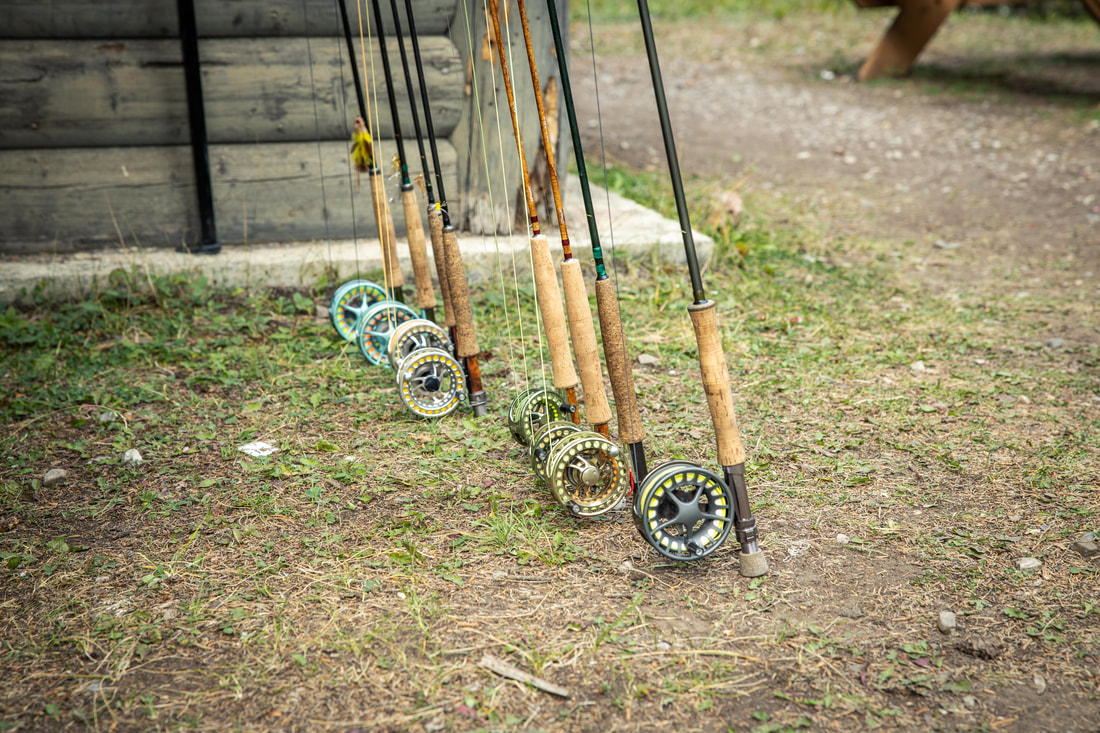
Fly fishing is a captivating and rewarding activity that requires the right equipment. When it comes to selecting a fly rod, understanding the differences between a “starter fly rod” and one for experienced anglers is crucial. In this blog, we will explore the variations in budget, materials, durability, casting styles, target species, rod length, and fishing style to help you make an informed decision.

  1. Budget:
A starter fly rod is typically more affordable, catering to beginners who may not want to invest heavily in their initial gear. These rods are often entry-level models with basic components. On the other hand, experienced angler fly rods tend to be higher-end, with a wider price range to accommodate different preferences and budgets. They offer advanced features and craftsmanship, reflecting the investment made by seasoned fly fishers.

  1. Materials and Durability:
Starter fly rods are commonly made from less expensive materials, such as fiberglass or low-to-mid-range graphite. While these rods are reasonably durable, they may not withstand heavy use or adverse conditions as well as their more expensive counterparts. Experienced angler fly rods, however, are often crafted using high-quality graphite or carbon fiber, offering superior strength, sensitivity, and durability. These rods are designed to handle challenging fishing situations and last for many seasons.

  1. Casting Styles:
Starter fly rods are generally more forgiving and easier to cast, making them ideal for beginners who are still mastering their casting technique. They typically have a medium to slow action, allowing for smoother and slower casting strokes. Experienced angler fly rods, on the other hand, come in a variety of actions ranging from slow to fast. These rods offer greater precision and control, enabling anglers to cast longer distances and handle various casting styles, including delicate presentations and long-distance accuracy.

  1. Target Species:
Starter fly rods are versatile and suitable for a wide range of fish species, particularly smaller freshwater species like trout or panfish. They provide the necessary backbone to handle these fish without being excessively stiff. In contrast, experienced angler fly rods cater to specific target species and fishing environments. They come in specialized weights and lengths, making them suitable for targeting larger freshwater species, saltwater species, or even specialized techniques like spey casting or bass fishing.

  1. Rod Length and Style of Fishing:
Starter fly rods typically range from 7 to 9 feet in length, providing a good balance between versatility and ease of use. They are well-suited for general fly fishing scenarios in small to medium-sized rivers or lakes. Experienced angler fly rods, however, offer a broader range of lengths, allowing anglers to optimize their equipment for specific fishing scenarios. Longer rods may be preferred for nymph fishing or spey casting, while shorter rods are ideal for tight-quarters casting or targeting smaller streams.


Choosing the right fly rod depends on your experience level, budget, target species, and fishing style. Starter fly rods are affordable, versatile, and forgiving, while experienced angler fly rods offer higher quality, specialized features, and the ability to tackle more challenging fishing scenarios. Consider your needs and preferences to make an informed decision that enhances your fly fishing experience.
​
Comments

Tippet-Ing the scale / Fluoro vs Mono ?

5/22/2023

Comments

 
Picture
Picture
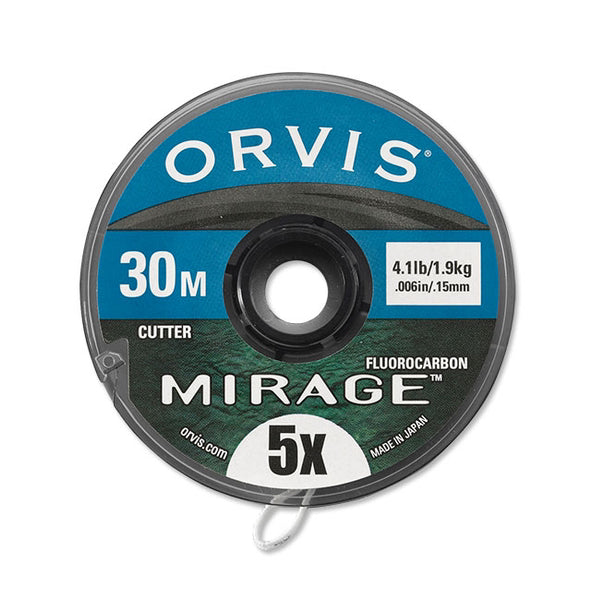
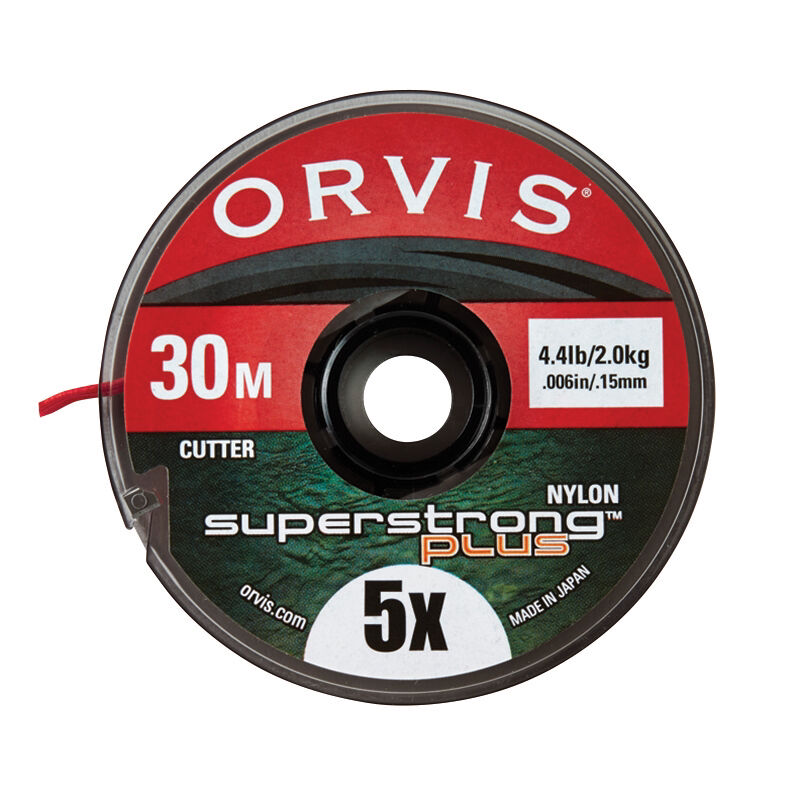
Understanding the Difference: Fluorocarbon vs. Monofilament in Fly Fishing


Fly fishing, a captivating pursuit that combines skill, patience, and appreciation for nature, often sparks debates about the best line material. Among the most contentious topics is the comparison between fluorocarbon and monofilament. In this blog post, we will delve into the distinctions between these two fishing lines, explore their applications, and provide insights into determining the appropriate choice for specific angling scenarios.

Understanding Fluorocarbon:
Fluorocarbon fishing line is engineered using a synthetic material known as polyvinylidene fluoride (PVDF). What sets fluorocarbon apart is its near-invisibility in water, owing to its refractive index closely matching that of water. This characteristic makes it highly desirable for certain fishing situations where stealth is crucial. Additionally, fluorocarbon lines have low stretch, excellent abrasion resistance, and are relatively denser, allowing them to sink faster.
Exploring Monofilament:
Monofilament, on the other hand, is made from a single strand of nylon or another similar material. It has been a trusted choice for anglers for decades. Monofilament is known for its versatility, ease of handling, and cost-effectiveness. It tends to be more buoyant than fluorocarbon and has a higher stretch capacity. These properties make it an excellent option for scenarios where shock absorption, visibility, or surface fishing is desired.
Selecting the Right Line:
a. Water Visibility:
When fishing in clear water conditions or situations where fish are particularly wary, fluorocarbon excels due to its near-invisibility. The refractive index of fluorocarbon minimizes line detection, increasing the chances of fooling finicky fish.
b. Subsurface Fishing:
Fluorocarbon's density and sinking capabilities make it ideal for subsurface fishing, such as nymphing or fishing with streamers. Its fast-sinking nature allows anglers to present their flies at specific depths with greater precision.

c. Topwater or Floating Fly Fishing:
Monofilament's buoyancy and higher stretch characteristics make it well-suited for topwater or floating fly fishing techniques. Its ability to float provides better control for delicate presentations, and the increased stretch can act as a shock absorber when fighting larger fish or using delicate tippets.

d. Cost Considerations:
Monofilament lines are generally more affordable than fluorocarbon, which can be advantageous when spooling up multiple reels or when fishing in scenarios where line visibility or sinking capabilities are not critical factors.

Identifying the Difference:
Differentiating between fluorocarbon and monofilament can be challenging, especially when lines are not labeled explicitly. Here are a few indicators to help you distinguish between the two:
Packaging: Look for indications of "fluorocarbon" or "monofilament" on the packaging or spool itself.
Diameter and Texture: Fluorocarbon lines tend to be slightly stiffer and have a smoother texture compared to monofilament.
Refractive Index: Underwater, fluorocarbon appears less visible due to its refractive index closely matching that of water. Comparing the lines in water can help you identify the type.


Fluorocarbon and monofilament lines each have unique characteristics that cater to specific fishing situations. While fluorocarbon excels in scenarios demanding invisibility and subsurface fishing, monofilament offers versatility, ease of use, and cost-effectiveness. Understanding the strengths and weaknesses of each line type empowers anglers to make informed decisions based on their specific fishing goals. So, whether you're pursuing wary trout in clear streams or casting for surface-feeding bass, choosing the appropriate line will significantly impact your chances
Comments

Going on a Guided Fishing Trip? Make your time better with these 12 tips

5/15/2023

Comments

 
Picture

Heading out on a guided fly fishing trip for trout on western rivers can be an exciting and rewarding experience. To make the most of your adventure, there are several things you should know, be aware of, and items you should bring along. Here's a comprehensive guide to help you prepare for your guided fly fishing trip:
1.Research and Choose a Reputable Guide: Start by researching and selecting a reputable fly fishing guide or outfitter. Look for guides with experience on the specific rivers you plan to fish, positive reviews, and a good track record of providing excellent service and instruction.
2.Obtain Required Licenses and Permits: Ensure you have the necessary fishing licenses and permits for the specific state and waters you'll be fishing. Check local regulations to understand any restrictions or special regulations in place.
3.Understand Local Fishing Regulations: Familiarize yourself with the fishing regulations of the area you'll be visiting. Pay attention to catch limits, size restrictions, and any special regulations regarding fishing techniques or equipment.
4.Check Weather Conditions: Keep an eye on weather forecasts leading up to your trip. Weather can affect water conditions and trout behavior, so knowing what to expect will help you plan accordingly.
5.Communicate with Your Guide: Prior to your trip, communicate with your guide to discuss your experience level, preferred fishing techniques, and any specific goals or expectations you have. This will help your guide tailor the trip to your needs and ensure a more personalized experience.
6.Bring Proper Clothing and Gear: Dress in layers to accommodate changing weather conditions. Bring lightweight, moisture-wicking clothing, a hat, sunglasses, and sunscreen. It's essential to have appropriate waders, boots, and a fishing vest or pack to carry essential gear. Don't forget your fishing license and a waterproof bag for protecting valuable items.
7. Pack Essential Fishing Equipment: Your guide will likely provide the necessary fishing equipment, but it's good to have a basic understanding of fly fishing gear. Bring a selection of flies suitable for trout fishing, including dry flies, nymphs, and streamers. Pack a quality fly rod, reel, and appropriate fly line, along with tippet material, leaders, and nippers.
8. Practice Casting: If you're new to fly fishing or need to brush up on your casting skills, practice before your trip. Casting accurately and efficiently will improve your chances of success on the water.
9. Be Physically Prepared: Fishing on western rivers often involves wading and covering significant distances, so it's important to be physically prepared. Regular exercise, especially walking and hiking, can help build endurance and improve your overall experience on the trip.
10. Stay Hydrated and Energized: Bring plenty of water and energy-boosting snacks to keep you hydrated and fueled throughout the day. It's essential to stay energized and maintain focus while on the water.
11. Respect the Environment and Wildlife: Practice catch and release to help preserve the trout population. Treat the river and its surroundings with respect, leaving no trace behind. Be mindful of wildlife and their habitats, keeping a safe distance and not disturbing their natural behavior.
12. Listen to Your Guide: During the trip, pay close attention to your guide's instructions and advice. They have valuable knowledge about the local waters, trout behavior, and effective fishing techniques. Their guidance will significantly enhance your chances of a successful and enjoyable fly fishing experience.

By following these guidelines, you'll be well-prepared for your guided fly fishing trip for trout on western rivers. Enjoy the stunning scenery, the thrill of the catch, and the knowledge gained from your experienced guide. Tight lines and happy fishing!

Comments

Catch and Release | Virtue Signal or Conservation?

5/8/2023

Comments

 
Picture
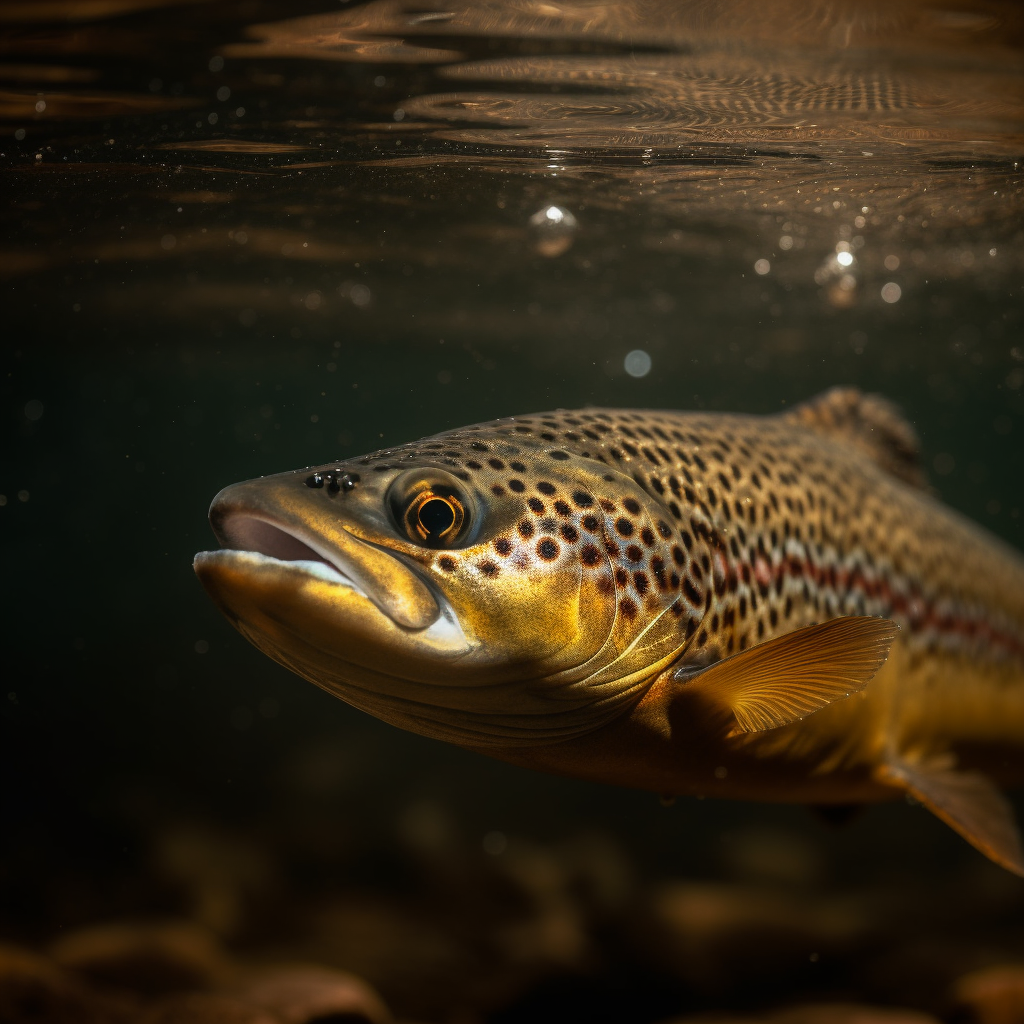
Fly fishing has become an increasingly popular pastime for many people who enjoy the outdoors and the thrill of catching fish. However, as more people take up this hobby, there has been a growing concern about the impact of fishing on the environment and the fish populations. One solution to this problem is catch and release fishing, which is a method of fishing where the fish are caught, but then released back into the water unharmed. In this blog post, we'll be discussing the cause and effect of catch and release fishing, particularly in the context of fly fishing.

So, why do people engage in catch and release fishing? Well, one reason is that it can help preserve fish populations. By releasing fish back into the water, fishermen can help ensure that the fish will continue to reproduce and maintain healthy populations. Additionally, catch and release fishing allows anglers to enjoy the sport without contributing to overfishing and environmental damage.

But does this method actually work? The answer is yes, in many cases. Catch and release fishing can be a very effective way to protect fish populations, as long as it is done correctly. This means using the right equipment and techniques to minimize harm to the fish, and releasing the fish quickly and carefully back into the water. It's also important to consider factors like water temperature and the health of the fish before releasing it.

However, there are some concerns about the effectiveness of catch and release fishing, particularly when it comes to the survival of the fish. While many fish do survive being caught and released, there is always a risk of injury or death, especially if the fish is not handled properly. In some cases, the stress of being caught and released can make the fish more vulnerable to predators or disease.

So, what are the odds that a fish will actually survive catch and release fishing? It's difficult to give a precise answer, as there are many factors that can affect the survival rate of fish. However, studies have shown that survival rates can vary widely depending on the species of fish, the conditions of the water, and the skill of the angler. In general, larger fish and those caught in warmer water tend to have lower survival rates.

Finally, there is the question of whether catch and release fishing is a genuine conservation effort or simply a virtue signal. While there are certainly some people who engage in catch and release fishing for the sake of appearing environmentally conscious, the vast majority of anglers who practice catch and release do so because they genuinely care about the environment and want to preserve fish populations for future generations. Additionally, catch and release fishing can be a valuable tool for researchers and conservationists, as it allows them to study fish populations without harming them.

So is Catch and Release fishing a Virtue Signal, or a Conservation piece? Catch and release fishing can be an effective way to protect fish populations and enjoy the sport of fishing without contributing to environmental damage. However, it is important to approach catch and release fishing responsibly and with a focus on minimizing harm to the fish. By doing so, we can help ensure that our fish populations remain healthy and sustainable for years to come.
Comments

To Barb or not to Barb ; and opinion piece

5/1/2023

Comments

 
Picture
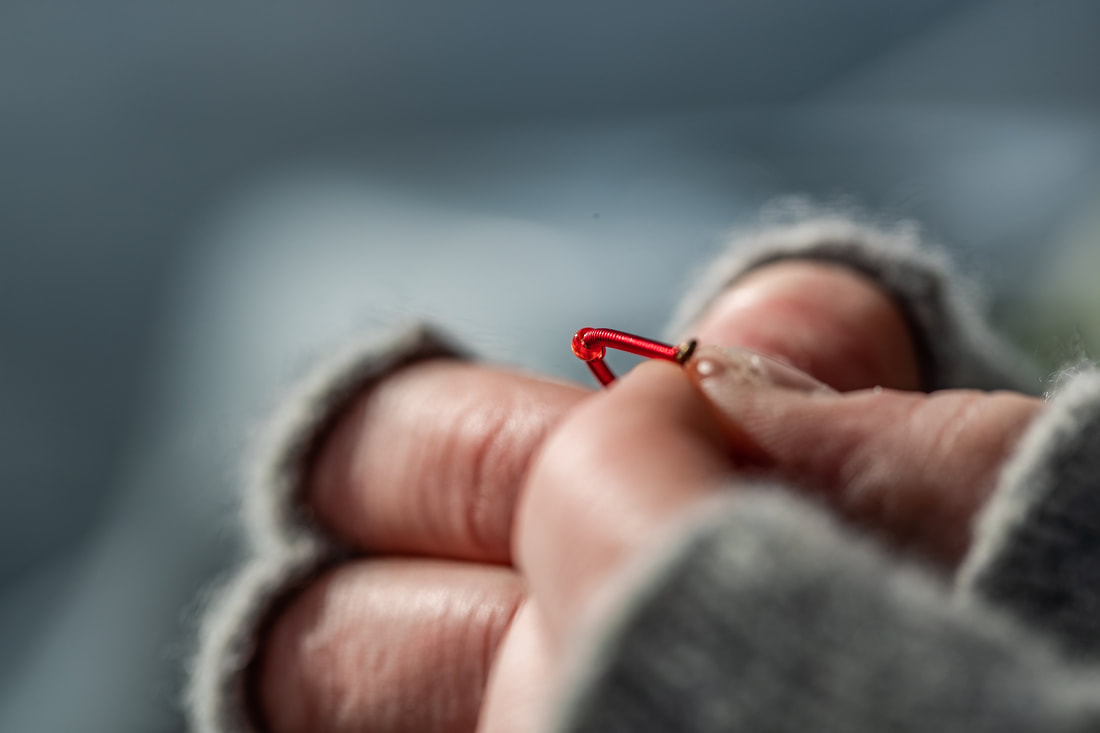
As a fly fisherman, one of the most important decisions you'll make is choosing whether to use barbless or barbed hooks. While barbed hooks have long been the standard, there's growing evidence that barbless hooks are a better option for both the angler and the fish.
Let's start with the benefits for the angler. One of the biggest advantages of using barbless hooks is that they're much easier to remove from a fish's mouth. This means less time spent struggling with the hook, which can be especially important if you're practicing catch and release. In fact, many anglers find that barbless hooks actually increase their catch rates, since they can set the hook more easily and quickly release the fish back into the water.
Another advantage of barbless hooks is that they're less likely to cause injury to the fish. When a fish is hooked with a barbed hook, the barb can tear the fish's mouth, making it more difficult for the fish to eat and increasing its risk of infection. In contrast, barbless hooks are much less likely to cause this type of damage, which can help ensure the fish's long-term survival.
Now, let's talk about conservation. While fly fishing is often seen as a more sustainable and eco-friendly alternative to other forms of fishing, it's important to remember that even catch and release fishing can have an impact on fish populations. That's why using barbless hooks can be an important part of responsible fishing.
First, let's consider the mortality rate of fish that are caught and released. While the exact rate varies depending on a number of factors, studies have generally found that mortality rates can be quite high, particularly for certain species. However, using barbless hooks can help reduce these rates. In one study, researchers found that the use of barbless hooks reduced mortality rates for brown trout from 14% to just 2%. That's a significant improvement, and one that can help ensure the long-term health of fish populations.
In addition, using barbless hooks can help reduce the amount of handling required when releasing a fish. When a fish is hooked with a barbed hook, the angler often needs to spend more time removing the hook, which can be stressful for the fish. In contrast, barbless hooks can be removed more quickly and easily, which means less time spent handling the fish and less stress for the animal.
Of course, it's worth noting that there are some downsides to using barbless hooks. For one thing, they can make it more difficult to keep a fish on the line, particularly if you're targeting larger or more aggressive species. In addition, it can take some time to adjust to using barbless hooks, since you'll need to be more careful with your hook set and fight the fish more gently.
Overall, however, the benefits of using barbless hooks for both the angler and the fish are clear. Not only do they make catch and release fishing easier and more effective, but they can also help promote the long-term health of fish populations. So if you're a fly fisherman who hasn't yet made the switch to barbless hooks, now might be the time to give them a try. Who knows, you might just find that they improve your fishing experience in more ways than one.
Comments

    Archives

    November 2025
    August 2025
    July 2025
    June 2025
    May 2025
    April 2025
    March 2025
    February 2025
    January 2025
    December 2024
    November 2024
    September 2024
    August 2024
    July 2024
    June 2024
    May 2024
    February 2024
    January 2024
    December 2023
    November 2023
    October 2023
    September 2023
    August 2023
    July 2023
    June 2023
    May 2023
    April 2023
    March 2023
    February 2023
    January 2023
    December 2021
    November 2021
    January 2020
    November 2018

    Categories

    All
    Fly Fishing

    RSS Feed

    Bragging may not bring happiness, but no man having caught a large fish goes home through an alley

FLY FISHING BOW RIVER OUTFITTERS
​phone 403-968-9877

  • Home
  • About Us
  • Store
  • Thursday Night Live
    • Thursday Night Live
    • TNL Season 1
    • TNL Season 2
    • TNL Season 3
    • TNL SEASON 4
    • TNL Season 5
    • TNL Season 6
    • TNL Season 7
    • TNL SEASON 8
  • Guided Experiences
    • River Floats
    • Lake/Pike Trips
    • Walk and Wade Trips
    • Overnight Excursions
    • Lessons
  • Contact Us
  • Testimonials
  • WC Fly Fishing Guide School
  • Fly Fishing Academy
  • Blog
  • FAQ
  • The Bow River
  • Podcast