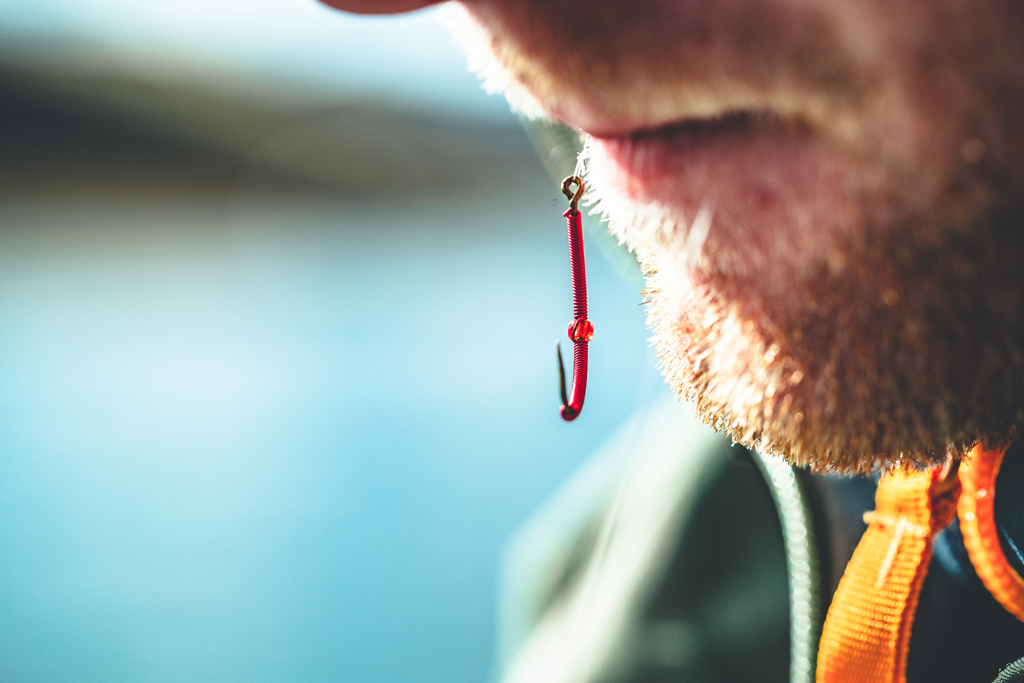
 Single barbless flies offer several advantages over treble hooks when it comes to catch and release angling. We'll explore why single barbless flies are a superior choice for both fish conservation and angler satisfaction.
1. Fish Conservation: Catch and release angling is a popular practice among anglers who want to preserve fish populations and ecosystems. Single barbless flies are a crucial tool in this conservation effort. Unlike treble hooks, which typically have multiple sharp points and barbs, single barbless flies have a single point and no barb, making them less damaging to fish. When a fish is hooked with a single barbless fly, it's easier to remove the hook quickly and with minimal harm. Treble hooks, on the other hand, often cause more extensive damage, injuring the fish's mouth, gills, or even internal organs. This can reduce the fish's chances of survival after release, defeating the purpose of catch and release angling. 2. Reduced Mortality Rates: Studies have shown that using single barbless flies significantly reduces the mortality rate of released fish. Treble hooks are more likely to injure vital organs or cause excessive bleeding, which can be fatal for the fish even after they're returned to the water. Single barbless flies minimize the risk of these injuries, increasing the chances of the fish surviving and contributing to the breeding population. 3. Easier Hook Removal: One of the main advantages of single barbless flies is how easy it is to remove them from a fish's mouth. The absence of a barb means there's less resistance when pulling the hook out. This reduces stress and injury to the fish, allowing it to swim away unharmed. Anglers can release the fish quickly, minimizing the time it spends out of the water. 4. Angler Satisfaction: While the primary goal of catch and release angling is fish conservation, it also benefits anglers in terms of satisfaction and enjoyment. Using single barbless flies requires skill and finesse, as it's more challenging to keep the fish hooked during the fight. This adds an element of excitement and accomplishment to the angling experience. Moreover, anglers often find it more rewarding to release a fish unharmed, knowing that they've contributed to the conservation of fish populations. It's a win-win situation where both the fish and the angler benefit. 5. Legal and Ethical Considerations: Many fishing regulations and guidelines encourage or even mandate the use of single barbless hooks for catch and release angling. This reflects the commitment of fisheries management authorities to protect fish populations and maintain sustainable angling opportunities. Using treble hooks in areas where single barbless hooks are required may lead to legal consequences. In conclusion, single barbless flies are a superior choice for catch and release angling due to their fish-friendly attributes, including reduced mortality rates, easier hook removal, and compliance with legal and ethical standards. They not only contribute to the conservation of fish populations but also enhance the satisfaction of anglers who value the well-being of the fish they pursue. By making the switch to single barbless flies, anglers can enjoy their sport while ensuring a sustainable future for fish and fisheries. 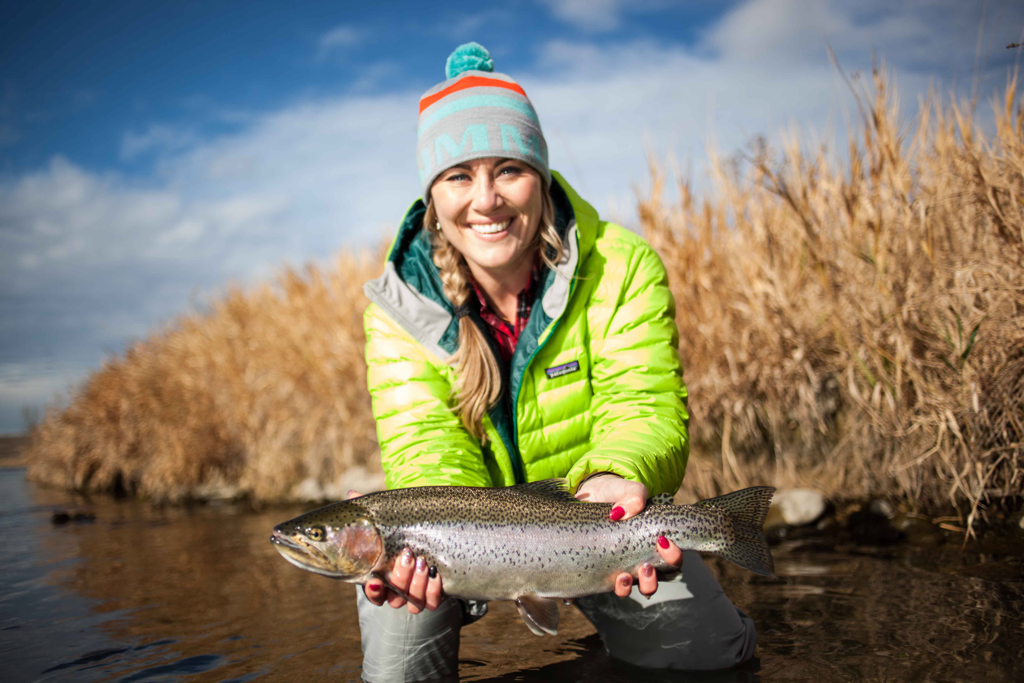 Fly Fishing for Trout: Embracing the Perfect Harmony of Fall on Western Streams
As the leaves turn brilliant shades of red, orange, and gold, and the air takes on a refreshing crispness, fly fishing enthusiasts across the world know that fall has arrived. For those who cast their lines on Western trout streams, this season offers an exquisite blend of natural beauty and prime fishing conditions. Let's explore why fly fishing for trout is so perfect in the fall season on these captivating waterways, highlighting both the visual feast of changing seasons and the voracious appetites of trout as they prepare for winter. The Spectacle of Changing Seasons Fall in Western trout country is nothing short of spectacular. The landscape transforms into a living canvas, with deciduous trees shedding their leaves in a breathtaking display of color. The shimmering gold of aspens and the fiery red of maples create a backdrop that's not only a feast for the eyes but also sets the scene for a serene and contemplative fishing experience. The cooler temperatures of fall bring not only colorful foliage but also a certain tranquility to the streams. Crowds thin out, providing a more peaceful and intimate connection with nature. The rustling leaves underfoot and the gentle babbling of water create a symphony that soothes the soul. Trout on the Hunt Fall marks a critical period for trout in Western streams. As the days grow shorter and water temperatures drop, trout become more active and ravenous in their pursuit of food. This natural urgency makes fall a prime season for fly fishing. One of the main reasons fall is ideal for trout fishing is the annual insect hatches. Late-season mayflies, caddisflies, and even some stoneflies provide a consistent and enticing food source for trout. As the trout voraciously feed on these insects, they pack on essential calories to sustain them through the upcoming winter months. This increased feeding activity makes trout more susceptible to well-presented flies, making fall a time when even novice anglers can enjoy success. Matching the Hatch To maximize your fall fly fishing experience on Western trout streams, it's essential to "match the hatch." This means selecting fly patterns that imitate the insects currently available to the trout. Various nymphs and dry flies mimic the appearance and behavior of these insects, increasing your chances of a successful outing. In fall, trout can be found in the riffles, runs, and pools of streams, actively seeking out food. Approach these areas with stealth and precision to avoid spooking the fish. A well-executed cast that places your fly in the path of a hungry trout can lead to exhilarating hookups. The Art of Catch and Release As we celebrate the beauty and bounty of fall fly fishing for trout, it's crucial to emphasize responsible angling practices. Many anglers in Western streams practice catch and release, ensuring the sustainability of trout populations. Handle trout with care, using barbless hooks and proper catch-and-release techniques to minimize stress and harm to the fish. By doing so, we can help preserve the delicate balance of these ecosystems and ensure that future generations can continue to enjoy the perfect harmony of fall fly fishing for trout on Western streams. fall in Western trout country is a time when the beauty of changing seasons converges with the ravenous appetite of trout preparing for winter. The vivid landscapes, serene surroundings, and increased feeding activity make this season an idyllic time for fly fishing. By embracing the spectacle of fall and matching the hatch with precision, anglers can experience the perfect blend of natural beauty and thrilling angling adventures on Western trout streams. So, grab your fly rod, tie on the perfect fly, and immerse yourself in the magic of fall fly fishing for trout. 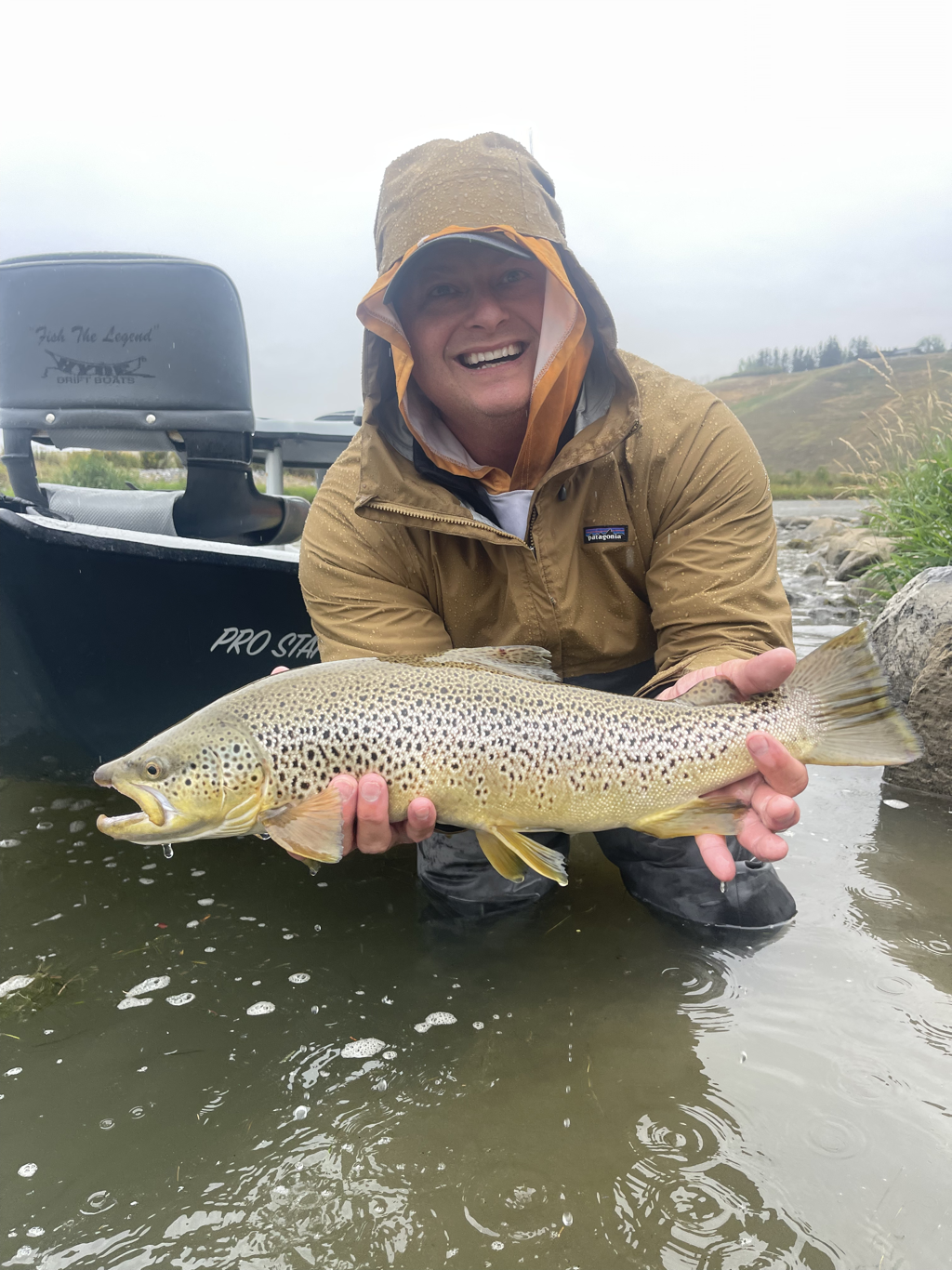 The Art of Streamer Fishing: Thriving in Murky Waters
Streamer fishing is a beloved technique among seasoned anglers, and its effectiveness is often heightened by a combination of dirty water conditions and cloudy days in western trout streams. In this blog post, we'll delve into the world of streamer-style fishing, exploring how these conditions can make it incredibly rewarding. Additionally, we'll take a closer look at how dirty water plays a pivotal role in providing safety for fish against avian predators. The Art of Streamer Fishing Streamer fishing is a technique that mimics small fish, leeches, or other aquatic creatures. Anglers cast and retrieve streamer flies, enticing predatory fish like trout, bass, and pike to strike. This method is especially effective in waters with reduced visibility due to muddy or turbid conditions. Dirty Water and Streamer Fishing Synergy Dirty water, often caused by rain, runoff, or snowmelt, can be a streamer angler's best friend. Here's why: 1. Increased Aggression: In murky water, fish often rely more on their predatory instincts than their cautious nature. They become opportunistic and aggressive, making them more likely to strike at the streamer. 2. Less Visibility for Prey: For fish in dirty water, spotting prey becomes challenging. Streamers stand out against the muddy background, making them easy targets. 3. Bigger, Bolder Strikes: Fish in these conditions often strike with more vigor, leading to memorable battles and bigger catches. 4. Surprise Factor: Reduced visibility adds an element of surprise to the angler's arsenal. Fish are more likely to strike out of instinct, providing an exciting and unpredictable experience. Cloudy Days: An Ideal Companion Cloudy days, often seen as unfavorable for outdoor activities, can be a streamer angler's ally: 1. Reduced Sun Glare: On sunny days, glare on the water's surface can hinder visibility and make it harder to spot fish. Cloud cover eliminates this issue, allowing for better visibility below the surface. 2. Comfortable Temperatures: Fish are generally more active in cooler, overcast weather. Cloudy days can keep water temperatures down, encouraging fish to be more active and responsive to your streamer presentation. 3. Stealthy Approaches: Just like in dirty water, cloudy days provide cover for anglers. The diffused light makes it less likely for fish to see you, enabling you to get closer and make more accurate casts. Dirty Water: A Shield Against Aerial Predators In the world of survival, fish often find themselves on the menu for avian predators like herons and kingfishers. In clear water, these birds have the upper hand, spotting their prey with ease. However, dirty water serves as a protective cloak for fish: 1.Reduced Visibility for Predators: Dirty water hampers the visibility of birds that rely on sight to hunt. As a result, fish can swim more freely without the constant threat of aerial predators. 2. Safe Havens: When water conditions turn murky, fish can seek refuge in structures and areas that offer cover from birds. This enhances their chances of survival in the face of potential attacks. Streamer fishing in western trout streams during dirty water conditions paired with cloudy days can be an exhilarating and fruitful experience. The reduced visibility triggers fish to strike with aggression, providing anglers with memorable battles. Additionally, dirty water acts as a safeguard against avian predators, allowing fish to thrive. So, next time you see cloudy skies and turbid waters, embrace the opportunity for an incredible streamer-style fishing adventure. 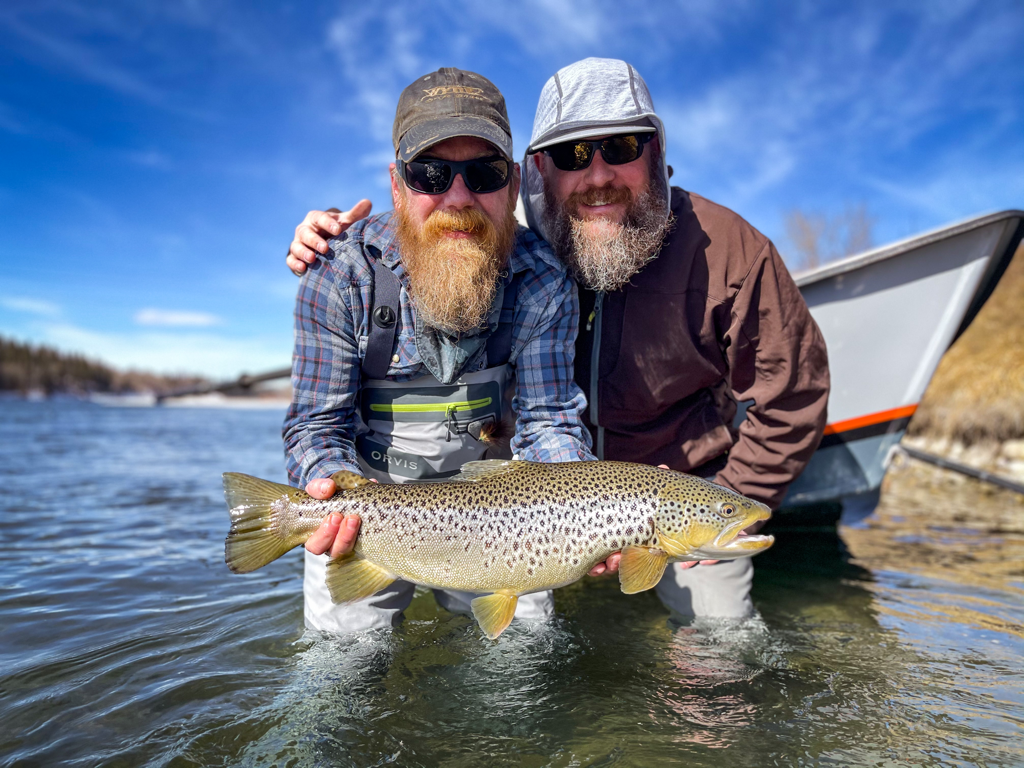 Fly fishing is more than just a pastime; it's a journey filled with excitement, frustration, and ultimate satisfaction. Every fly fisherman goes through a series of stages that mark their growth and development in this artful pursuit. From the joy of that very first catch to the serene contentment of simply being on the water, here are the five stages of a fly fisherman's evolution. 1. Catch a Fish The journey begins with that electrifying moment when you feel a tug on your line, set the hook, and reel in your first fish. It's a memory etched into the angler's soul, a memory that fuels a lifelong passion. In this stage, fly fishermen are like wide-eyed children, discovering the wonders of the water and the thrill of the catch. Every fish, no matter how small, is a triumph that ignites the spark of excitement for what lies ahead. 2. Catch Many Fish As fly fishermen gain experience, they transition into the stage where quantity becomes the goal. Armed with knowledge of the right flies, casting techniques, and the secrets of their chosen waters, they aim to catch as many fish as possible. This stage is marked by a sense of accomplishment as they consistently land fish trip after trip. It's about honing skills, learning to read the water, and understanding the habits of the fish. 3. Catch a Specific Fish With time and patience, anglers graduate to a stage where they set their sights on a particular species or even a specific fish. Whether it's the elusive trout that taunts them in crystal-clear mountain streams or the wily bonefish in tropical flats, the focus shifts from quantity to quality. The pursuit of this singular goal becomes a quest that tests their skills and knowledge to the limit. 4. Catch a Big Fish with a Certain Method The fourth stage is where fly fishermen become true artisans. They seek not just any fish but a trophy-sized specimen. Whether it's a monster trout on a dry fly or a massive tarpon on a fly rod, this stage is about mastering the art of fly fishing. Anglers refine their techniques, develop specialized skills, and learn the intricacies of presentation. It's the pursuit of excellence in a chosen method, often involving larger and more challenging fish. 5. Just Content to Enjoy Time on the Water As years pass and the angler's hair turns silver, a sense of tranquility settles in. The fifth stage is marked by a shift in priorities. It's no longer just about the catch, the size, or the species. It's about the sheer joy of being on the water, casting lines, and immersing oneself in nature's beauty. Fly fishermen at this stage find contentment in the rhythm of the river, the rustling of leaves, and the company of friends. They savor the moments, the sunrises, and the sunsets. In this final stage, the fly fisherman has come full circle. They've experienced the thrill of their first catch, mastered the art, and achieved their angling goals. Now, they find peace in the simple act of casting a line and witnessing the wonders of the natural world. the journey of a fly fisherman is a progression through these five stages, each filled with unique challenges and rewards. It's a journey that spans a lifetime, constantly evolving and shaping the angler into a true master of the craft. Whether you're a novice or a seasoned pro, there's always more to discover in the world of fly fishing, and the journey is as important as the destination. So, pick up your rod, tie on a fly, and let the adventure begin. 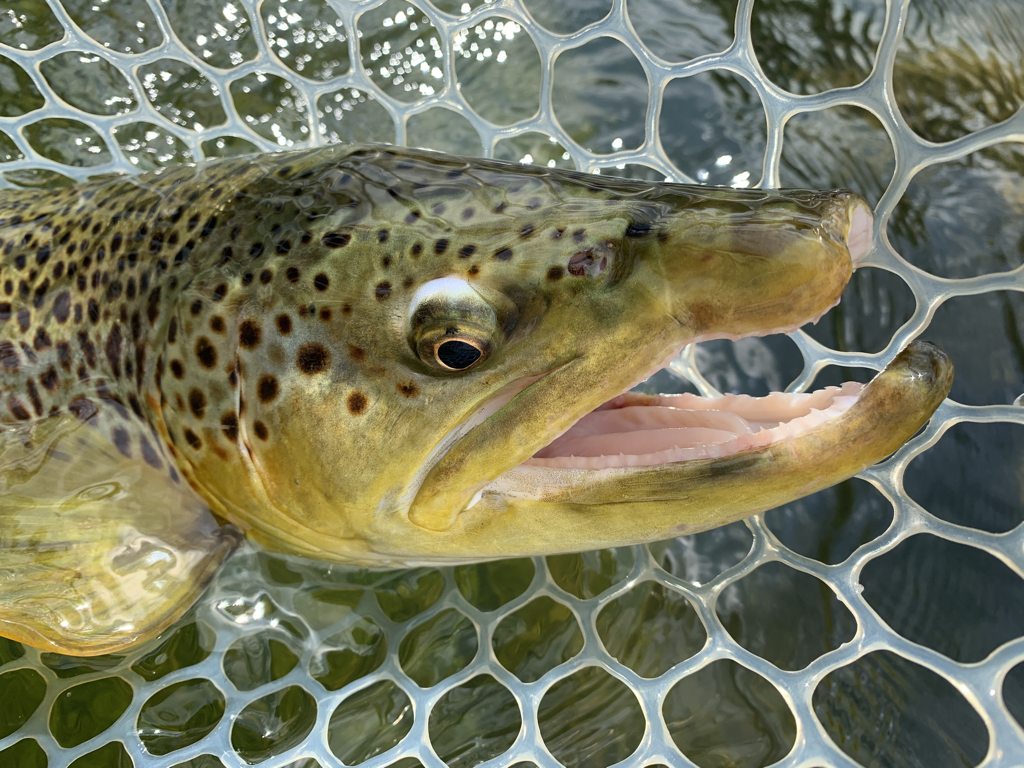 Exploring Three Essential Fly Fishing Techniques: Hopper-Dropper, Nymphing with Indicator, and Euro Nymphing
Fly fishing enthusiasts are well-versed in the art of adapting to various conditions on the water. As the sun glistens on the surface and the currents play their rhythmic tune, anglers find themselves equipped with a plethora of tactics to entice the elusive catch. In this blog post, we delve into three distinctive fly fishing techniques: Hopper-Dropper, Nymphing with Indicator, and Euro Nymphing. Each approach offers a unique way to connect with the underwater world, taking advantage of different scenarios and fish behavior. Hopper-Dropper Technique: Picture a sunny day by the river, and you might find yourself reaching for the Hopper-Dropper setup. This technique involves attaching a buoyant dry fly, often resembling a grasshopper or other terrestrial insect, to your leader. Dangling beneath it is a weighted nymph, mimicking a subsurface insect or larva. The dry fly acts as both a strike indicator and an attractor. When a fish spots the dry fly, it might take interest and also notice the nymph trailing below. Hopper-Dropper is particularly effective during the warmer months when grasshoppers and other insects are abundant on the banks. This technique allows anglers to cover both surface and subsurface feeding zones simultaneously. It's a fantastic choice for targeting fish that are actively feeding on the surface, as well as those lurking beneath. Nymphing with Indicator: When the water is clear and the fish are holding deeper, the Nymphing with Indicator technique takes the spotlight. This method involves suspending a buoyant indicator, often a brightly colored piece of yarn or a specialized float, on the water's surface. Below the indicator, nymphs of various sizes and imitations are spaced at different depths along the leader. The indicator serves as a visual cue for detecting strikes. Nymphing with Indicator is perfect for scenarios where trout or other fish are holding close to the riverbed, feeding on submerged insects. This technique allows anglers to present nymphs at precise depths, mimicking the natural movement of aquatic insects. The indicator serves as a critical tool for detecting subtle strikes that might otherwise go unnoticed, providing a delicate balance between precision and patience. Euro Nymphing: For those who prefer a more direct connection to the underwater world, Euro Nymphing offers a tactile approach. Also known as tightline nymphing, this technique involves using a longer leader and minimal or no indicator. The weight of the nymphs themselves and the tension on the line as it drifts downstream act as indicators for strikes. Euro nymphing requires anglers to read the water and feel for the slightest hesitation in the line. Euro Nymphing is incredibly effective in fast-flowing and turbulent waters where traditional indicators might be challenging to manage. This technique offers a heightened sense of control and sensitivity, allowing anglers to detect even the most subtle bites. It's an excellent choice for challenging conditions and skittish fish. Fly fishing is a dynamic sport that demands adaptability and creativity. The Hopper-Dropper, Nymphing with Indicator, and Euro Nymphing techniques each offer distinct advantages in varying scenarios. Whether you're aiming to imitate surface insects, probe the depths, or feel the pulse of the current, these techniques allow anglers to connect intimately with the aquatic realm. So, the next time you're by the river's edge, consider the conditions and behaviors of the fish, and choose the technique that will maximize your chances of a successful and rewarding day on the water. 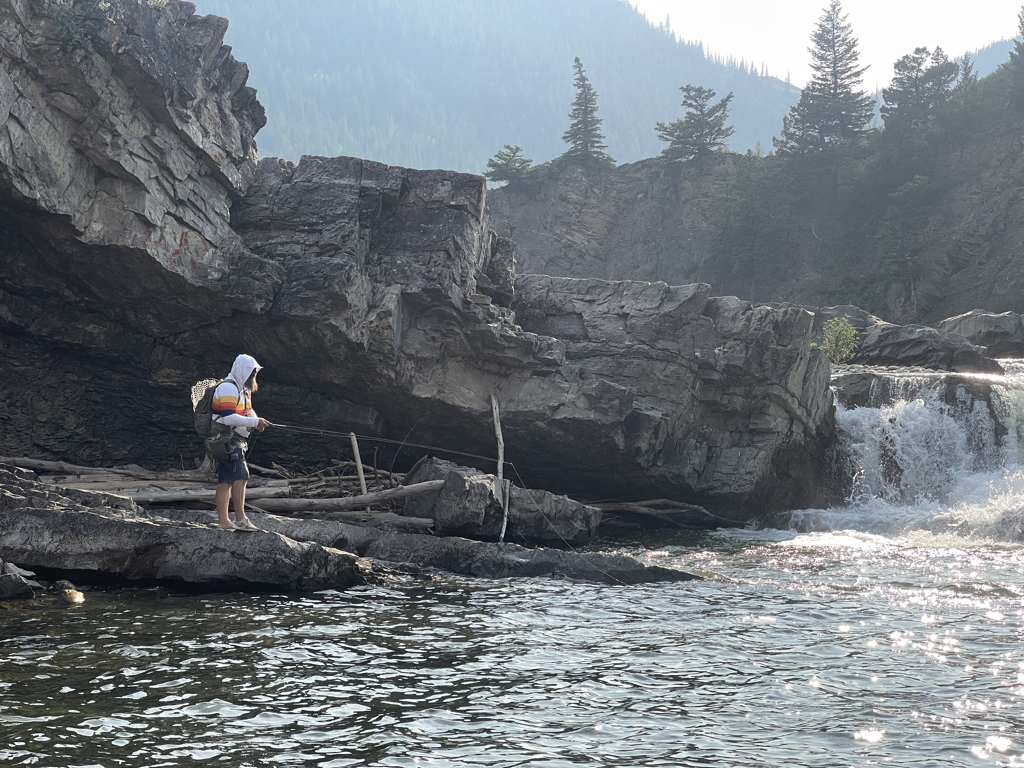 Western trout rivers are known for their diverse fish populations, particularly various trout species. However, the temperature of these rivers plays a crucial role in shaping the habitat and behavior of these magnificent fish. In this blog, we will delve into the significance of water temperatures on different trout species and how it influences their oxygen levels.
1. Water Temperatures and Trout Species: Water temperatures are a critical factor in determining the distribution and abundance of different trout species. Certain trout species prefer cooler waters, while others can tolerate warmer temperatures. For example, rainbow trout thrive in temperatures ranging from 55°F to 68°F (12°C to 20°C) and are more common in colder, higher-elevation streams. On the other hand, brown trout can tolerate slightly warmer temperatures, ranging from 60°F to 72°F (15°C to 22°C), making them more adaptable to a wider range of habitats. 2. Impact on Reproduction and Spawning: Water temperatures directly affect trout reproduction and spawning. Many trout species rely on specific temperature ranges to trigger their breeding behavior. If water temperatures rise above or fall below their ideal range, it can disrupt the breeding cycle, leading to decreased spawning success and potentially affecting the overall population of that species in the river. 3. Effects on Growth and Development: Water temperatures influence the metabolic rates of trout, affecting their growth and development. Warmer waters generally accelerate metabolic processes, leading to faster growth rates. However, if the temperatures surpass the trout’s optimal range, it can cause stress, lower oxygen levels, and reduced food availability, impacting their growth and survival. 4. Oxygen Levels and Temperature Relationship: The relationship between water temperatures and oxygen levels is crucial for trout survival. As temperatures rise, the solubility of oxygen in water decreases, making it more difficult for trout to extract the necessary oxygen for respiration. This can lead to decreased oxygen availability, a condition known as hypoxia, which can be detrimental to trout health and survival. 5. Thermal Tolerance of Trout Species: Different trout species exhibit varying levels of thermal tolerance. Brook trout, for instance, are more sensitive to temperature changes and require cooler waters to thrive. In contrast, cutthroat trout can tolerate slightly higher temperatures, but prolonged exposure to warmer conditions can still pose a threat to their well-being. Conclusion: In conclusion, water temperatures in western trout rivers play a fundamental role in shaping the distribution, behavior, and health of different trout species. Understanding the preferred temperature ranges of each species and their thermal tolerance is vital for preserving and managing their populations effectively. Additionally, maintaining optimal oxygen levels is essential to ensure the well-being and survival of these beautiful fish in their natural habitats. By striking a delicate balance between water temperatures and oxygen levels, we can continue to appreciate the beauty and diversity of western trout rivers and their iconic inhabitants for generations to come. 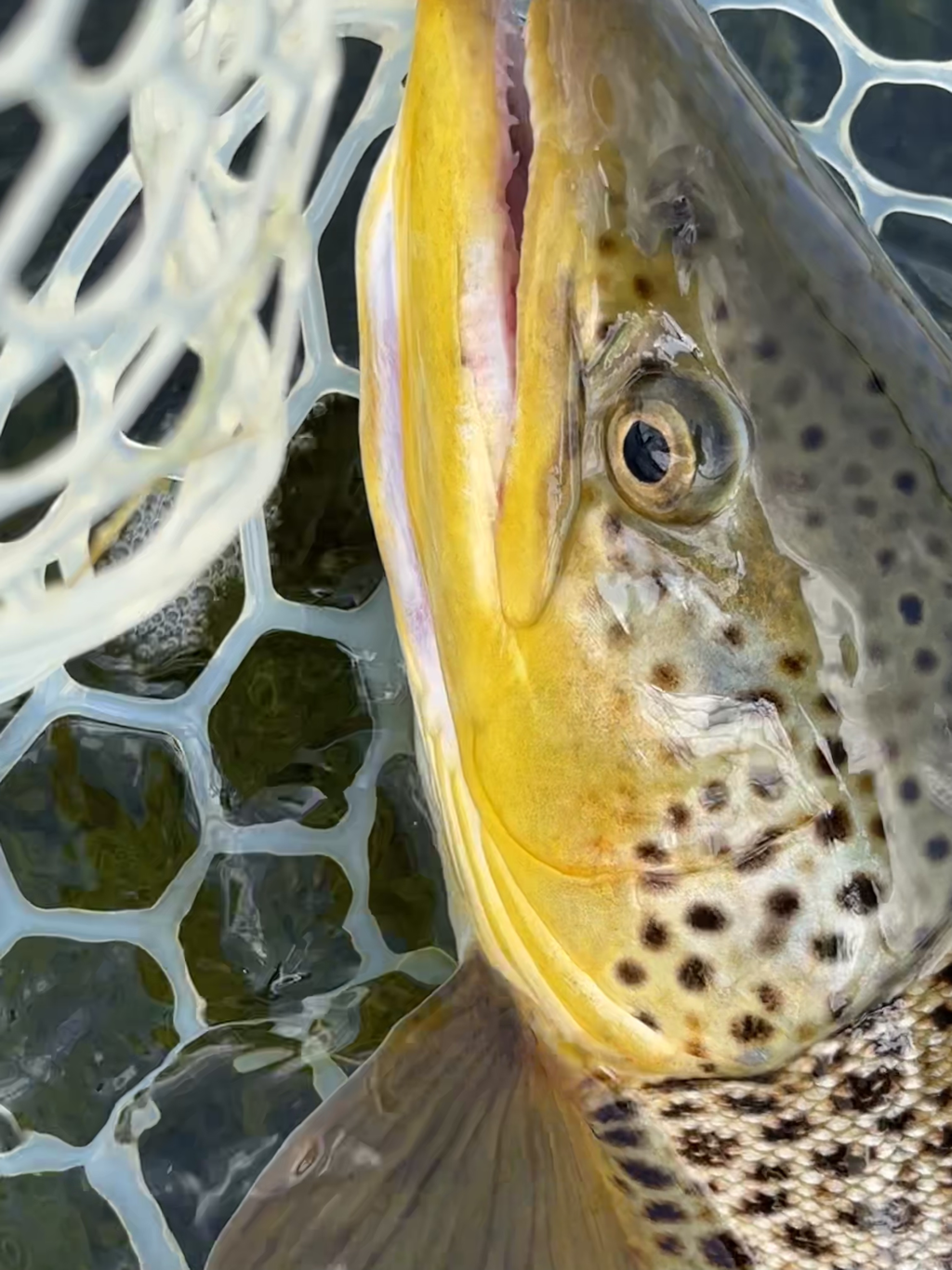 A Tale of Two Trout: Unraveling the Differences Between Rainbow Trout and Brown Trout in River Systems
Introduction The world of fishing is as diverse as the rivers that flow through it. Two popular species, the Rainbow Trout and Brown Trout, captivate anglers and naturalists alike. Although they may share a habitat, their distinct characteristics and feeding habits set them apart. In this blog post, we will explore the differences between these two remarkable fish and shed light on their preferred habitats and feeding behaviors that define them. 1. Habitat Preferences Rainbow Trout (Oncorhynchus mykiss): Rainbow Trout have a broad distribution and thrive in various freshwater habitats, from large rivers to small streams and lakes. They prefer clear, cold water with temperatures ranging from 50°F to 60°F (10°C to 15°C). In rivers, they often occupy faster-flowing areas with gravel bottoms, providing suitable spawning grounds. Brown Trout (Salmo trutta): Brown Trout, on the other hand, display a more selective nature when it comes to habitat preferences. They favor clear, cool water with temperatures between 55°F to 65°F (13°C to 18°C). Brown Trout are more commonly found in deep pools, under cutbanks, or among submerged rocks and logs, where they can find cover and safety. 2. Habitat Dislikes Rainbow Trout: Despite their adaptability, Rainbow Trout are less tolerant of warm water temperatures. When exposed to water temperatures above 70°F (21°C), they become stressed, which can lead to reduced feeding activity and even mortality. High water temperatures can also disrupt their breeding and spawning activities. Brown Trout: Brown Trout are less resistant to pollution and siltation than Rainbow Trout. They prefer clean, clear water and are particularly sensitive to changes in water quality. Excessive sedimentation or pollution can negatively impact their survival and reproduction. 3. Feeding Habits Rainbow Trout: Rainbow Trout are known for their aggressive feeding behavior, making them voracious predators. They primarily feed on aquatic and terrestrial insects, crustaceans, smaller fish, and occasionally small mammals or birds that fall into the water. Their preference for insects often makes them a prime target for fly fishermen. Brown Trout: Brown Trout are more selective feeders, showing a higher level of cunning and caution. They are opportunistic predators, often lying in wait for their prey rather than actively chasing it down. Brown Trout prefer a diet consisting of aquatic insects, small fish, and crustaceans. They also exhibit a strong preference for larger prey items, such as mice or other small mammals that fall into the water. Conclusion In the intricate tapestry of river systems, the Rainbow Trout and Brown Trout stand as two distinct characters. While Rainbow Trout thrive in a range of conditions, Brown Trout exhibit a more discerning nature. Their habitat preferences and feeding habits set them apart, making each species a unique treasure for anglers and nature enthusiasts alike. Understanding these differences enhances our appreciation for the delicate balance of nature and the incredible diversity it harbors. So, the next time you cast your line into a river, take a moment to appreciate the wonders of these two remarkable trout species. Happy fishing! 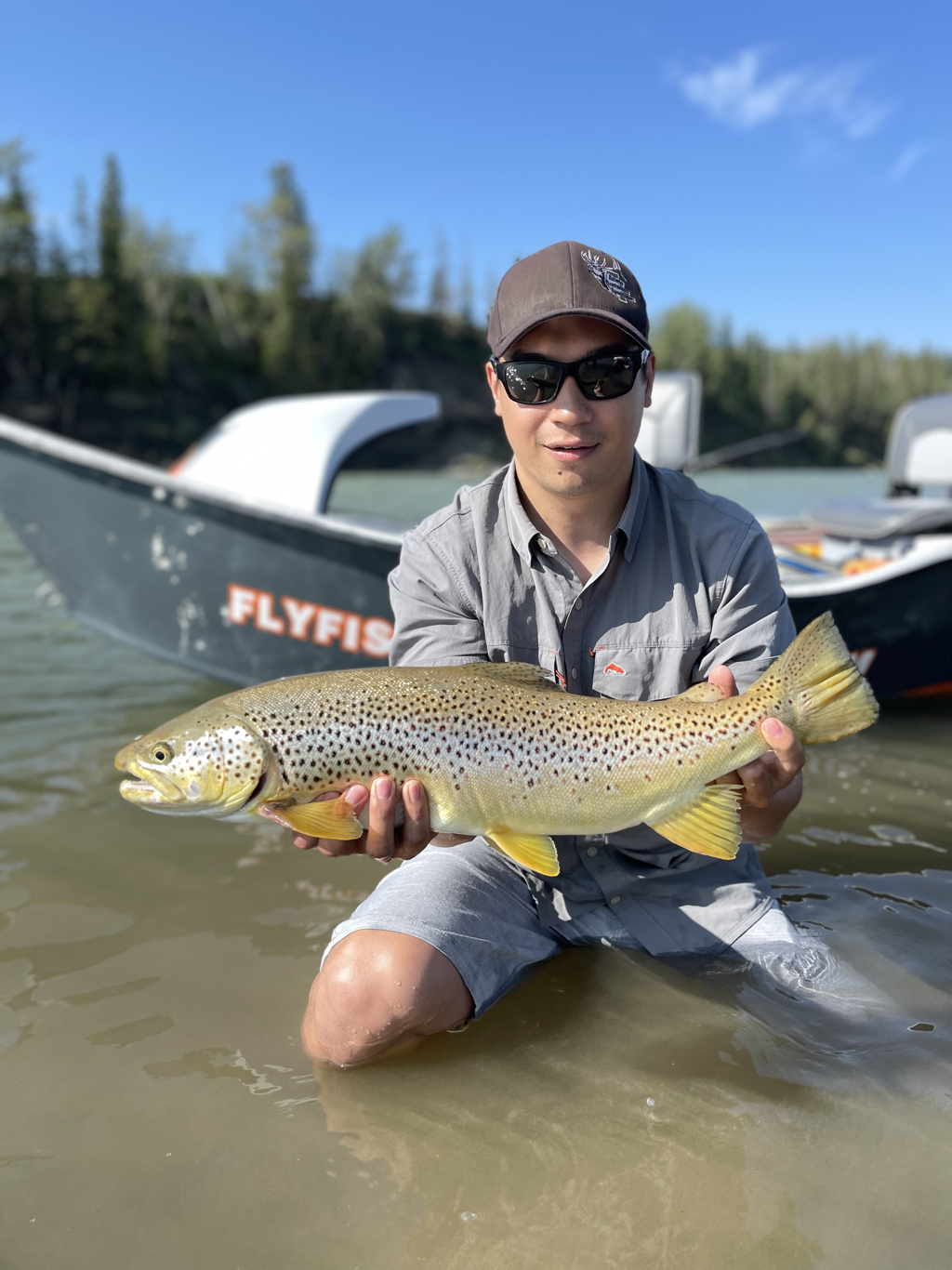 Catch and Release: 5 Tips for Safely Handling Trout
Ah, the thrill of the catch! Trout fishing is undoubtedly one of the most exhilarating outdoor activities for anglers. But wait, we're not just in it for the adrenaline rush - as responsible anglers, we also strive to protect our precious trout population through catch and release practices. If you're a fellow fisherman or fisherwoman who cares about preserving the environment and ensuring the survival of these magnificent creatures, you've come to the right place. In this blog post, we'll dive into the fun and informative world of handling trout for catch and release, while sharing five essential tips to make it a safer experience for our scaly friends. 1. Get Hooked on the Right Gear: Before we even cast our lines, let's make sure we're well-equipped with the right gear. Opt for barbless hooks whenever possible - they're easier to remove from a trout's mouth, minimizing potential injuries. Additionally, using a landing net with soft mesh can reduce stress on the fish during the retrieval process. As a bonus, you can show off your fancy new gear to your fishing buddies, earning you some style points! 2. Handle with Care: Once you've successfully reeled in your prize, it's time to handle the trout with tender, loving care. Wet your hands before touching the fish to prevent removing its protective slime coating, which is vital for its health. Gently cradle the fish with both hands, supporting its body evenly, and avoid squeezing it too tightly. Remember, we're not practicing the ultimate fish-hug challenge here - a gentle touch goes a long way! 3. Keep It Brief: Imagine you were plucked from your cozy bed and subjected to a series of wild adventures - how'd you feel? Trout are no different! Minimize their stress levels by keeping the handling time as brief as possible. After all, we don't want our scaly friends to turn into jittery jet-setters, do we? Take a quick snapshot if you wish to capture the moment, but remember, trout aren't professional models - they prefer to stay underwater! 4. Mind the Water Temperature: Trout have a thing for cool, refreshing water - who can blame them? When handling these marvelous creatures, always consider the water temperature. If it's sweltering outside, you might want to shorten your fishing sessions or move to a higher altitude where the water is cooler. When releasing the trout, gently guide it back into the water, allowing it to regain its strength in its natural habitat. 5. Revive and Release: Alright, it's showtime - the grand finale of catch and release! To ensure the trout has the best chance of survival, make sure it's fully revived before bidding adieu. Hold the fish underwater and allow oxygenated water flow over its head and Gil’s, you will see the Gil’s start to Pulsate as if they are thanking your for allowing them to Breathe again. Trust us, a fishy game of "Simon Says" is much more entertaining than any angler's tale you've ever heard! You wonder why they are appearing “stunned”? Well, imagine running up a hill and putting your face under water for 45 seconds - this is the same reality. Once the trout starts to wriggle free, watch in awe as it swims off into the wild, leaving you with a heartwarming sense of accomplishment. Congratulations, fellow anglers, you've now become catch and release superstars! Armed with these five tips, you're well-prepared to embark on thrilling fishing adventures while contributing to the conservation of our beloved trout population. Remember, handling trout with care not only safeguards their well-being but also ensures future generations can experience the same joy of catching these magnificent fish. So, let's grab our fly fishing rods, unleash our inner fish-whisperer, and continue to be stewards of our beautiful waterways! Happy fishing! 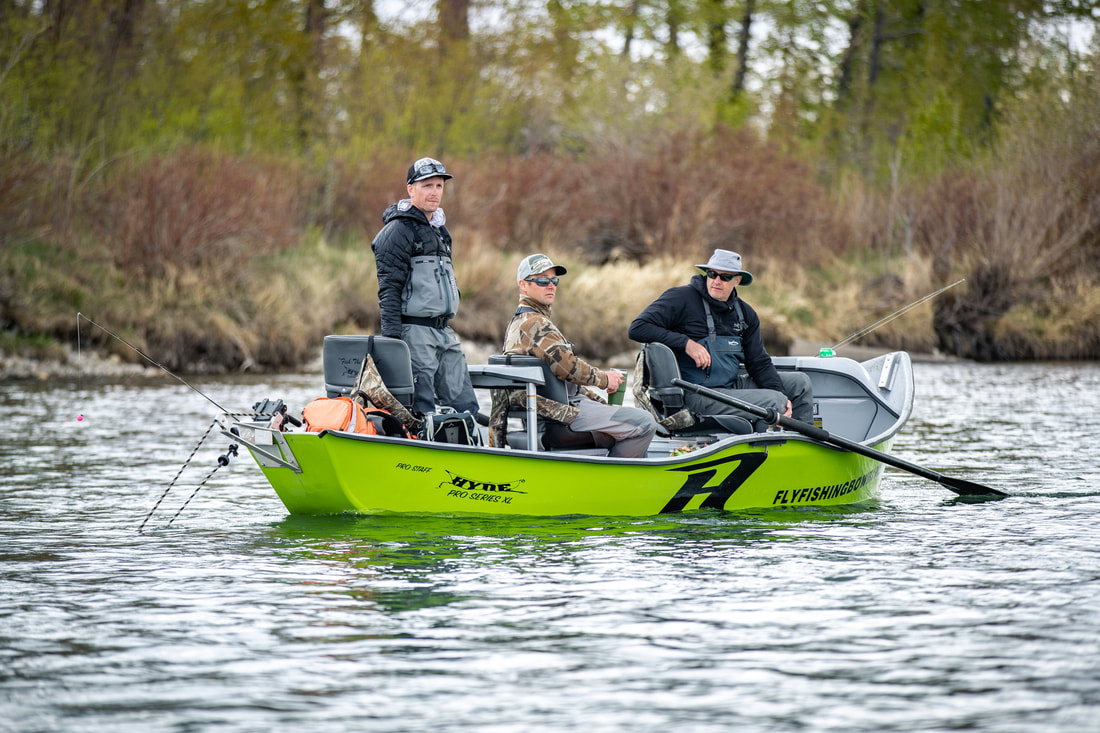 A guided fly fishing trip offers clients a unique and enriching experience that goes beyond simply catching fish. It provides a comprehensive package that combines expert guidance, scenic beauty, outdoor adventure, and a deeper connection with nature. In addition to the thrill of landing a fish, clients can expect to gain various benefits from their guided fly fishing trip.
First and foremost, clients should expect a knowledgeable and experienced guide who can enhance their fishing skills and knowledge. Guides are well-versed in local waters, fish species, and effective techniques. They impart valuable insights, teaching clients about the art of fly fishing, including casting techniques, reading water currents, and selecting the right flies. Through patient instruction and hands-on guidance, guides help clients improve their technique, making them more proficient anglers. Beyond fishing skills, a guided fly fishing trip offers clients the opportunity to immerse themselves in breathtaking natural surroundings. Whether casting lines in a serene mountain stream, tranquil lake, or picturesque river, the beauty of the outdoors serves as a backdrop to the entire experience. Clients can expect to witness stunning landscapes, observe wildlife, and enjoy the peace and tranquility that only nature can provide. This immersive encounter with the natural world fosters a sense of awe and appreciation, rejuvenating the mind and spirit. Furthermore, a guided fly fishing trip offers clients an escape from the stresses of daily life. In a world increasingly dominated by technology and fast-paced living, these trips allow individuals to disconnect and reconnect with themselves and their surroundings. The rhythmic casting of a fly line, the soothing sounds of flowing water, and the peaceful solitude create a meditative ambiance that promotes relaxation and mindfulness. Clients can relish the opportunity to unplug, unwind, and find solace in the simplicity of nature. Another element of a guided fly fishing trip is the chance to learn about conservation and environmental stewardship. Guides often emphasize the importance of preserving aquatic ecosystems and practicing responsible catch-and-release techniques. They educate clients about the delicate balance of nature and how their actions can help protect fish populations and their habitats. This education fosters a deeper understanding of the interconnectedness of ecosystems and encourages clients to become advocates for conservation in their own lives. Additionally, a guided fly fishing trip can be a social experience. Clients have the opportunity to connect with their guide and fellow anglers, forging new friendships and sharing their love for the sport. It is common to exchange stories, techniques, and tips, creating a sense of camaraderie and community. These shared experiences often lead to lasting relationships and a sense of belonging within the fly fishing community. Lastly, clients can expect a well-rounded experience that extends beyond the fishing itself. Guides often provide a full-service package, including transportation, gear, and meals. Whether enjoying a delicious picnic by the river or savoring a gourmet meal prepared by the guide, clients are treated to a culinary experience that complements the day's adventures. The attention to detail and personalized service add an extra touch of luxury and comfort, enhancing the overall enjoyment of the trip. In summary, a guided fly fishing trip offers clients far more than just the thrill of catching fish. It provides expert guidance, a deeper connection with nature, relaxation, education on conservation, opportunities for social interaction, and a well-rounded experience that caters to their needs. Whether a novice or experienced angler, individuals can expect to come away from a guided fly fishing trip with improved skills, cherished memories, and a renewed appreciation for the natural world. 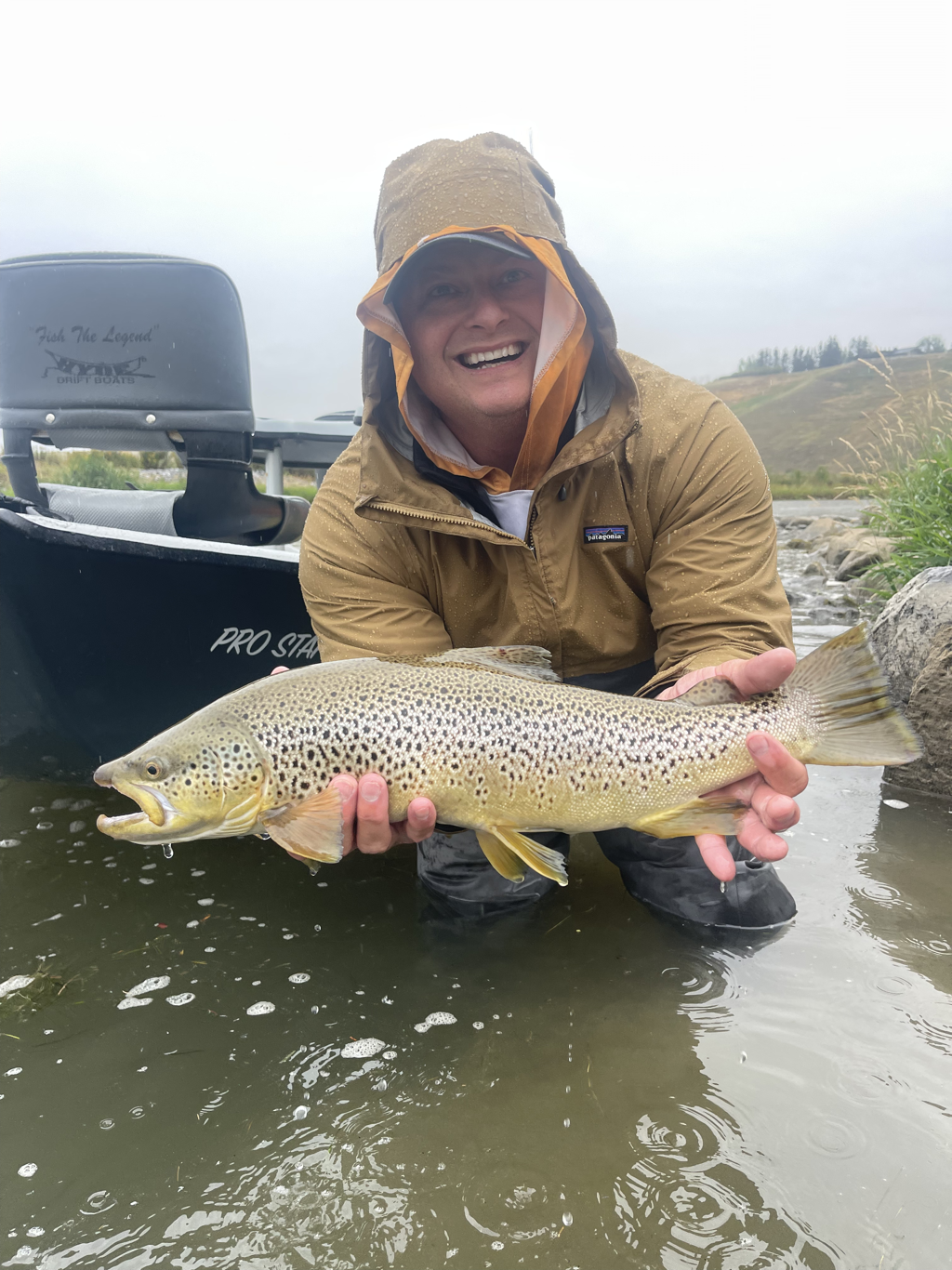 The decline in trout populations in western rivers is a complex issue influenced by various factors, and while guided fishing trips can have an impact, it is difficult to attribute the entire decline solely to them. It is important to explore the idea that guides, due to their experience and knowledge in handling fish, may potentially have less impact on trout populations compared to non-guided anglers.
Guides are typically experienced professionals who have spent significant time on the water, honing their skills and developing techniques for handling fish. They understand the importance of catch-and-release practices, which aim to minimize harm to the fish population. Guides often prioritize the welfare of the fish and educate their clients on proper handling techniques, such as using barbless hooks, minimizing air exposure, and supporting the fish in the water during release. The experience and knowledge of guides can lead to a more responsible and sustainable approach to fishing. They are familiar with the specific conditions of the rivers they operate in and can provide valuable insights into fish behavior and habitat. This knowledge allows guides to make informed decisions, such as avoiding sensitive spawning areas or adjusting fishing techniques to reduce stress on fish populations. Additionally, guides often have a vested interest in preserving the health of the fishery since their livelihoods depend on its sustainability. Non-guided anglers, on the other hand, may have varying levels of experience and knowledge regarding fish handling practices. While many anglers are conscientious and practice catch-and-release techniques, others may be less informed or careless in their approach. Lack of experience or awareness can lead to higher rates of fish mortality, especially if improper handling techniques are employed. For instance, using barbed hooks or mishandling fish during landing and release can cause unnecessary harm. However, it is important to note that the impact of fishing on trout populations extends beyond the practices of guides and non-guided anglers. Other factors, such as habitat degradation, pollution, climate change, and predation, also play significant roles in trout population decline. Loss of suitable spawning areas, reduced water quality, and altered stream flow patterns can all negatively affect trout populations. Furthermore, fishing pressure itself, regardless of whether it is from guided or non-guided anglers, can contribute to population decline if not properly managed. Overfishing, exceeding catch limits, or targeting vulnerable populations, such as spawning fish or juvenile trout, can have detrimental effects on the long-term health of fish populations. To address declining trout populations, effective fisheries management strategies are crucial. These may include implementing catch-and-release regulations, establishing protected areas or seasons to allow fish to spawn undisturbed, and monitoring fishing pressure through permits or licenses. Collaborative efforts between fishing guides, recreational anglers, conservation organizations, and regulatory agencies are necessary to develop and enforce sustainable fishing practices. In conclusion, while guides may have more experience and knowledge in handling fish, attributing the decline in trout populations solely to guided fishing trips would be oversimplifying the issue. Both guided and non-guided anglers can contribute to population decline if sustainable fishing practices are not followed. The impact on trout populations depends on various factors, including fishing practices, angler behavior, habitat conditions, and overall fishing pressure. To ensure the long-term health of trout populations in western rivers, a holistic approach that considers all these factors and implements effective fisheries management strategies is essential. |
 RSS Feed